If today had a quiet minute, it came late, after everything else was done, and it went to your phone because nothing else felt possible.
Self-care when you have no time works when you decide it once and tie it to a moment that's already happening. Drink the whole glass of water while it's still cold. Sit down for the first two minutes of your coffee. Take three slow breaths in the car before you go inside. Each one needs no spare hour, no quiet house and nothing to buy.
Why does self-care feel impossible when you're this busy?
Most self-care advice is written for a schedule you don't have. The bath, the massage, the earlier alarm: each one needs a block of time, a quiet house or someone to cover for you, and most days you have none of those.
So the bath becomes one more thing on the list, and "me time" shrinks to whatever's left at the end of the day, when you're already empty. A new planner and a 5 a.m. alarm won't change that.
When self-care keeps falling off your day, blame the advice. It was written for someone with an hour to spare.
How do you make self-care happen with no time?
Most days don't need more motivation. They need fewer decisions. Self-care falls off because it asks to be chosen fresh every day, on top of every other choice you're making. So choose it once.
The mechanism has three parts:
- Pick one practice that takes under five minutes and needs no setup.
- Attach it to something you already do every day, so the existing habit is the reminder.
- Keep it small enough that most bad days can't knock it over.
What are some quick self-care ideas for a full day?
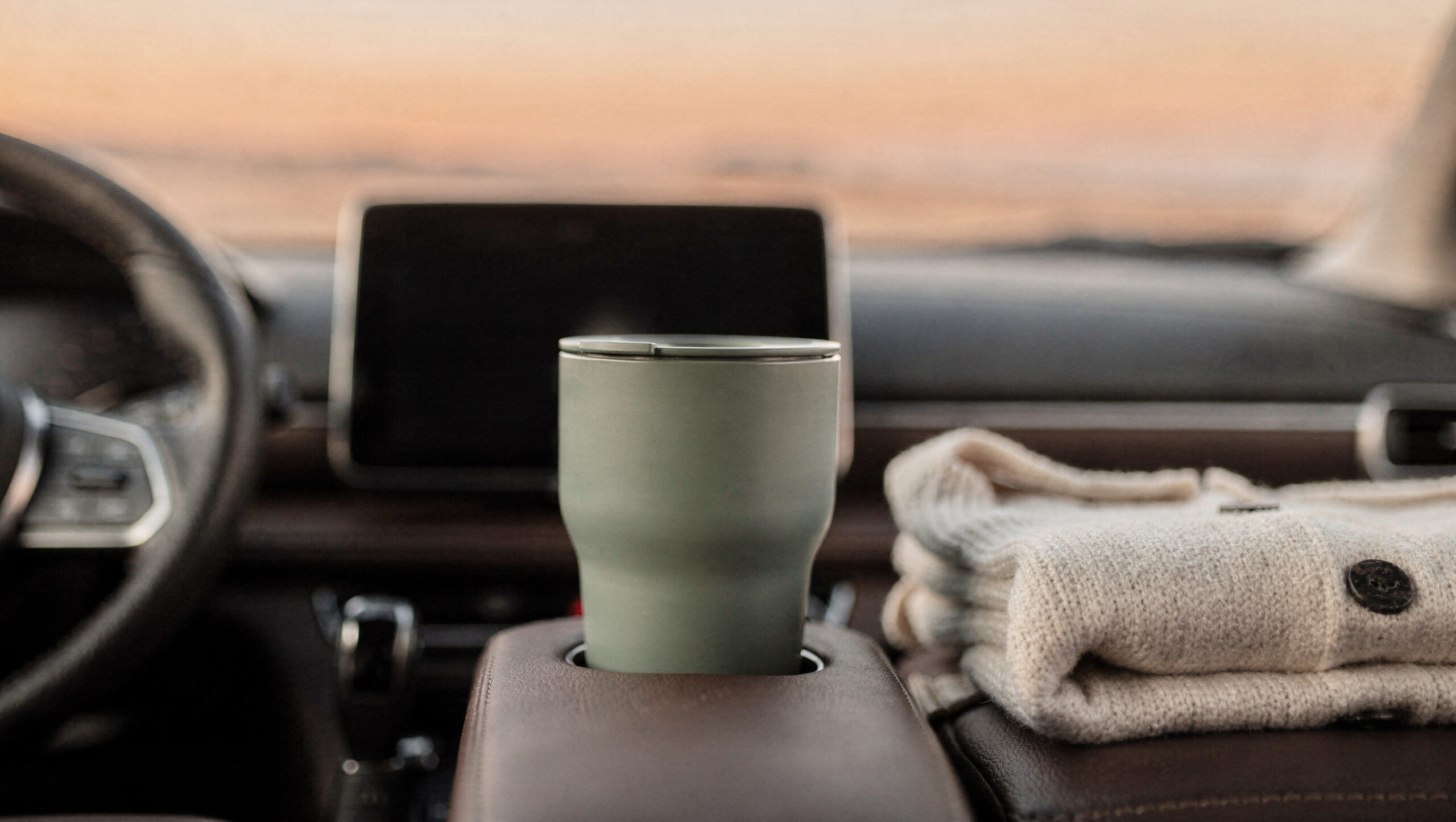
- Coffee, sitting down. The first two minutes, in a chair, while it's still hot.
- One glass of cold water, all the way through. Before the coffee, so it happens before the day takes over. If coffee isn't your thing, tie it to whatever you reach for first.
- Three breaths in the car. Once you've parked, hands off the wheel and shoulders down, before you get out.
- Thirty seconds at a window. Look at something further away than the room you're standing in.
- One thing written down. The appointment you keep rehearsing goes on paper, so your head isn't the only place it lives.
Each of these passes the same three checks. It works on a day with nothing in the tank, it needs nothing you'd have to buy, and it needs nobody else's help. That test is why the list looks so plain.
What does five-minute self-care look like in a real day?
It looks like nothing much. The kettle's on, a message is waiting, and you finish the water before you answer it. Later, the thing you keep forgetting goes in a notebook, the notebook closes, and it stops being yours to hold until morning.
Some days even that won't happen. Nothing is owed. Pick it up at the next ordinary moment, with no streak to repair.
Is five-minute self-care enough?
For daily upkeep, yes. Rest works like topping up a battery: small amounts, often. Five minutes you take beats an hour-long routine that never starts.
It has limits, and they're worth saying plainly. Five minutes won't lighten a load that's too heavy for one person, and it isn't treatment. If the empty feeling has lasted weeks, or the heaviness keeps getting worse, talk to your doctor or a therapist.
Key Takeaways
- Self-care when you have no time is one small practice, decided once and tied to a moment you already have.
- Advice built around baths and early alarms assumes time, money and help you may not have.
- Choose the practice once so you aren't deciding it fresh every day.
- Keep it under five minutes, with nothing to buy and nobody else needed.
- A missed day costs nothing. Pick it up at the next ordinary moment.
Frequently Asked Questions
How do I practice self-care when I have no time?
Choose one practice that takes under five minutes and attach it to something you already do: water before coffee, three breaths before you leave the car. You're adding a small kindness to time that already exists.
What self-care costs nothing?
Cold water all the way through, a few slow breaths, thirty seconds at a window, and one thing written down. They work on your hardest day because they don't depend on a budget.
What if I pick one and then hate it?
Pick a different one. The deciding-once part is what saves you the daily choice, and any practice can carry it. Swapping it after a week costs nothing; re-deciding it every morning is the thing that wears you out.
What if I'm too burned out for this to help?
Then treat these as upkeep and look for more support too. If the heaviness has lasted weeks or keeps getting worse, talk to your doctor or a therapist.
If you'd like the small things already decided, The Empty Day Deck is thirty printable affirmation cards, and each one ends with one small thing to do. It's a digital file you print at home, and a card by the kettle does the deciding for you.